


A Guide to Bringing in Your Honda Vehicle for Regular Maintenance

When you decided to purchase a Honda car, truck, or SUV, you most likely did so because of the brand’s long-standing reputation for quality and sustainability. Getting the most out of any vehicle is crucial to recoup your investment. You can get the most out of any Honda vehicle by bringing it to a certified Honda service center, such as the one we have at Norm Reeves Honda Superstore North Richland Hills.
Having maintenance performed on your vehicle is crucial, and it’s performed at regular intervals to help sustain its longevity. We’ve taken the time to provide this guide detailing how often you should bring your Honda in for servicing and what needs to be done. Vehicle maintenance encompasses a wide range of areas, from oil changes to brake system maintenance and inspections. Knowing when it’s time to get service performed can help prolong the life of your Honda.
Every 12 Months/7,500 Miles
While staying on top of vehicle maintenance is crucial, paying attention to the basic items is what ensures your vehicle stays on the road. The two basic maintenance tasks your vehicle will require are oil changes and tire rotations. These should both be done simultaneously and at intervals of either 12 months or every 7,500 miles.
Oil Changes: The oil in your engine plays a crucial role in your vehicle’s performance. The engine in your Honda is a complex assembly of moving parts that work in unison. These parts generate a considerable amount of heat through friction. The engine oil keeps them properly lubricated.
Oil also removes deposits that accumulate in your engine, which ensures it continues to operate smoothly. Neglecting oil changes can lead to costly repairs and even a complete engine breakdown. It’s crucial to have it replaced often. Oil levels should also be checked whenever you stop for fuel.
Tire Rotations: Tire rotations are done concurrently with an oil change. The tread on your tires provides traction, enabling you to grip the road effectively. Having your tires rotated ensures that the tread wears evenly. Uneven wear on your tires can lead to bald spots and a blowout.
Every 12 Months/15,000 Miles
The repairs that need to be performed every 15,000 miles aren’t as regular and routine as oil changes and tire rotations. However, staying on top of them is crucial for sustaining your Honda’s longevity. These repairs are more complex and not only help sustain your vehicle but also ensure safety.
Inspect Brakes: Your Honda’s braking system is one of its most important mechanisms. The braking system comprises several key components, including brake pads, rotors, a master cylinder, and fluid lines. Having these checked ensures the system functions properly. A faulty braking system can pose a significant safety risk to you and other drivers.
Check Parking Brake Adjustment: Your Honda’s parking brake is another component that ensures safety. It’s used when you park your vehicle to help keep it in place. A faulty parking brake on a steep incline can lead to a potentially hazardous situation. It’s essential to have it looked at every 15,000 miles.
Replace Engine Oil Filter: As we mentioned before, your engine oil removes harmful deposits from the various moving parts of your powertrain. These deposits, contaminants, and metal shavings all accumulate in the oil filter. Having it replaced periodically ensures that harmful items stay out of your engine.
Every 24 Months/30,000 Miles
Every 24 months, certain repairs and inspections are warranted to ensure the sustainability of your engine. As you drive your vehicle for longer, more intricate inspections and repairs will be required to maintain its longevity.
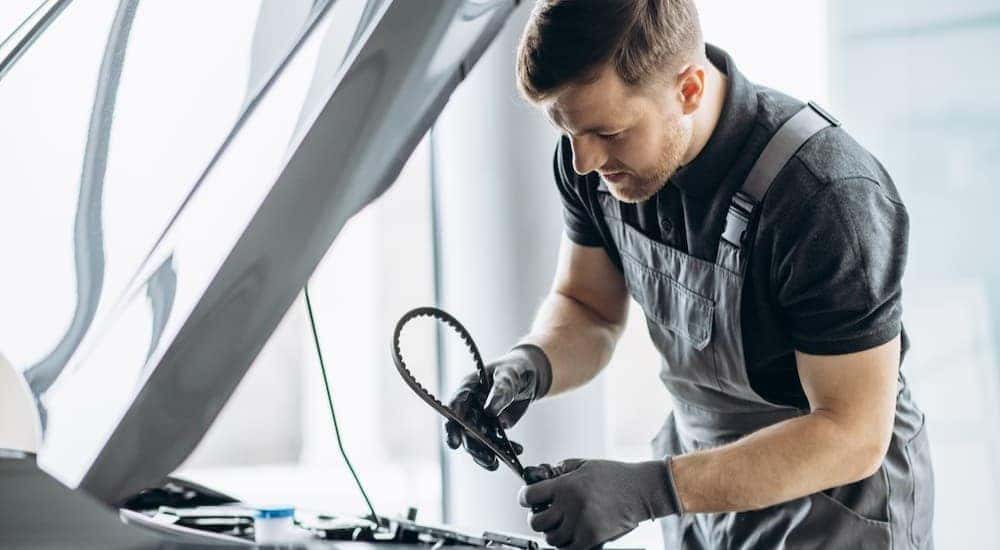
Inspect and Adjust Drive Belts: As mentioned earlier, your engine is a complex system of moving parts that work in unison with one another. The various machines in your engine operate through a system of belts. A broken belt will cause items such as the alternator and fuel pump to cease functioning. It’s essential to inspect the belts to ensure they remain connected, unbroken, and that there’s no excessive slack present.
Inspect Valves: The valves of your engine are a crucial aspect of your vehicle’s performance. The valve system enables compression, combustion, and airflow, allowing your engine to perform at its best. Faulty valves can hinder performance, fuel economy, and other aspects of your engine’s capability. Having them checked can ensure your engine continues to function correctly.
Replace Spark Plugs: The spark plugs in your Honda are a crucial part of the ignition system, responsible for igniting the engine. The spark plugs ignite the mixture of fuel and air that’s crucial for your ignition system. Having them replaced ensures your engine continues to start.
Replace Air Filter: Your engine can propel your vehicle forward with a mixture of fuel and air. The air that gets used in your engine comes directly from the outside. The air filter removes contaminants, such as dust and pollen, that can cause damage to your engine and hinder its performance. Having it replaced ensures your engine continues to function properly.
Every 36 Months/45,000 Miles
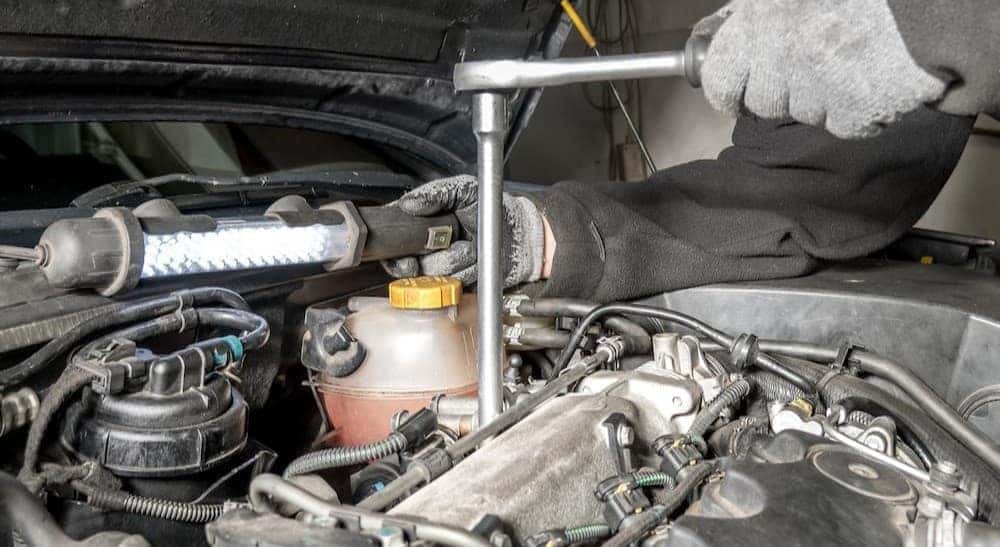
After you’ve reached 45,000 miles, it’s even more crucial than ever to stay on top of the various maintenance items we previously listed. Now that you’ve reached a critical milestone, there’s a key item that needs attention—your engine coolant.
Replace Engine Coolant: The coolant in your engine is another crucial aspect of performance. The engine in your vehicle has many moving parts that generate friction, which in turn causes heat. Oil lubricates these moving parts, but overheating can still occur. The coolant enables the radiator to dissipate heat, allowing your engine to operate without undue strain caused by friction. Your engine coolant is also responsible for maintaining a consistent temperature in your vehicle, preventing overheating or freezing during severe weather conditions.
Every 84 Months/105,000 Miles
When your Honda surpasses the 100,000-mile threshold, it can continue to run as long as it’s properly maintained. The necessary repairs are among the most complex. However, they’re also crucial for helping you keep your purchase on the road.
Replace Timing Belt: The cornerstone of your engine’s performance is the pistons that fire, causing internal combustion. It’s imperative that the pistons fire in a specific order. The engine maintains this sequence with the help of the timing belt. While timing belt replacement is rare, it’s a crucial aspect to maintain your engine.
Inspect Idle Speed: When you bring your vehicle to a complete stop, known as idling, you might have noticed some slight vibrations. After you’ve reached the threshold of 105,000 miles, your vehicle’s idle speed should be properly checked. Larger vibrations can sometimes be indicative of a more significant underlying issue.
Inspect Water Pump: The water pump plays a crucial role in preventing your vehicle from overheating. The water pump delivers coolant to various parts of the engine, ensuring they stay cool. It’s crucial to inspect the pump to ensure coolant is successfully being delivered to your engine, preventing overheating from occurring.
Service Your Honda at Regular Intervals
Honda vehicles offer impressive longevity and reliability, lasting for many years and covering extensive mileage. To ensure you get the most out of your new or used model, regular maintenance at crucial intervals is of the utmost importance. At Norm Reeves Honda Superstore North Richland Hills, we can perform these tasks and many more to keep your purchase on the road for a long time.
0 comment(s) so far on A Guide to Bringing in Your Honda Vehicle for Regular Maintenance