


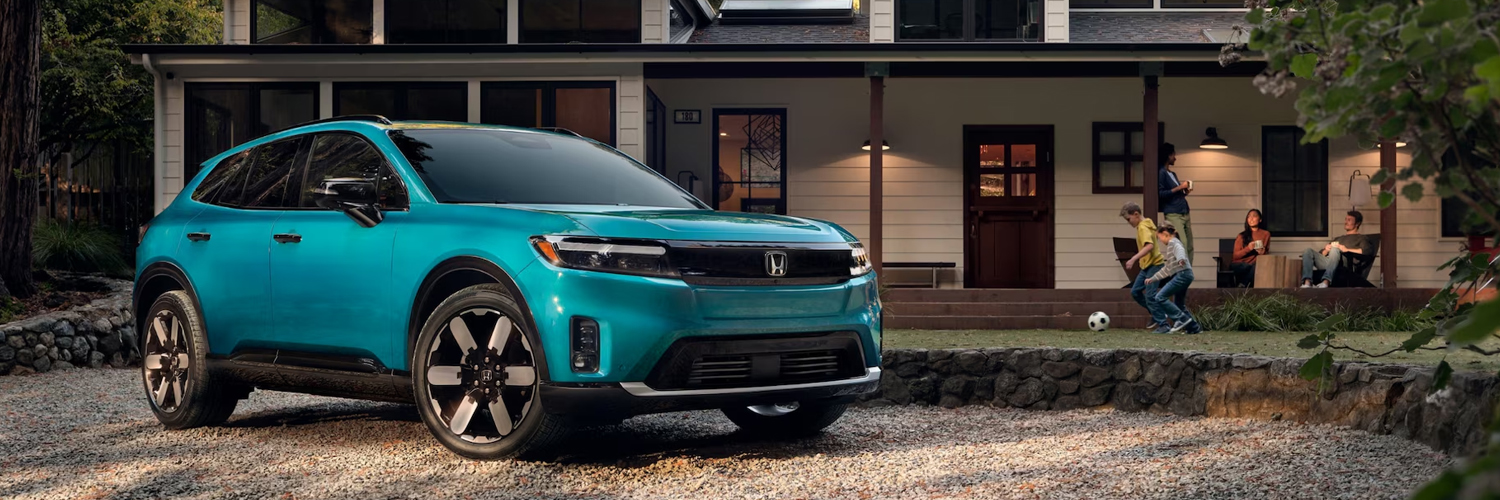
Honda has always been on the cutting edge of automotive design, routinely ushering in new eras of style, connectivity and performance. This reputation is reaffirmed with the all-new, all-electric 2024 Honda Prologue, for sale in Texas currently and ready to impress.
Already, other electric SUVs are feeling the heat from this Honda EV, which boasts some of today's hottest technologies. Does having the might and muscle of Honda engineering at its back help the Prologue embarrass the competition? You bet, and our 2024 Honda Prologue vs. Volkswagen ID.4 comparison proves it. See below how this electric Honda SUV beats the ID.4 in every metric we consider, then visit our Honda dealer near Southlake to buy or preorder a new Prologue for yourself.
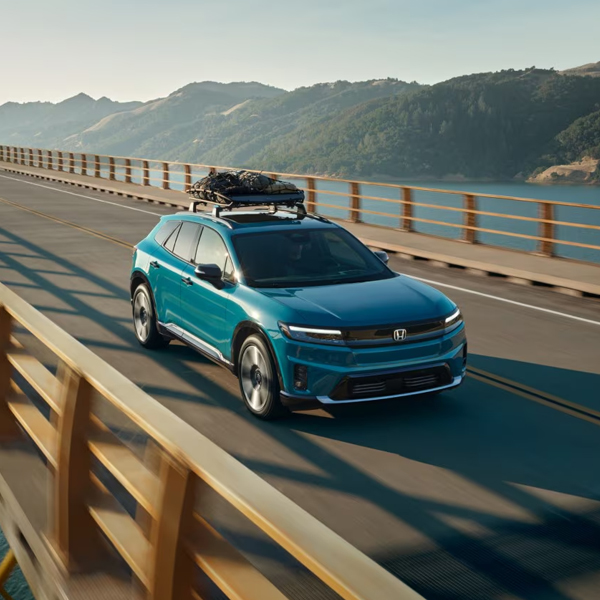
2024 Honda Prologue Specs Comparison
The 2024 Honda Prologue is a powerhouse of technology and innovation, and nothing illustrates this better than a Prologue vs. ID.4 specs sheet showdown. We'll start with the most important metric that Texas EV shoppers want to know about: range.
The quick answer here is that the Prologue range figures are higher than the ID.4. At the top end of the scale, the Prologue offers up to 296 miles per charge compared to the electric VW and its 291 miles of range.1 But things get even more interesting when you look beyond the best-performing trims. What VW doesn't want you to know is that the lowest-rated ID.4 range estimate is just 206 miles to a charge -- for context, that's nearly 70 miles less than the minimum range available on the new Honda Prologue, an SUV that can get at least 273 miles to a charge.1
Winner: 2024 Honda Prologue
2024 Honda Prologue
- Maximum Range (mi.): 296
- Minimum Range (mi.): 273
2024 VW ID.4
- Maximum Range (mi.): 291
- Minimum Range (mi.): 206
2024 Honda Prologue Battery Comparison
The Prologue battery is an impressive piece of engineering in its own right. Its standard 85 kWh capacity provides 37% additional power storage than the 62-kWh battery found on the low-end VW ID.4 trims -- the same trims that only return 206 miles of range. The VW SUV does offer a higher-capacity battery as well, but even that 82-kWh unit is smaller than the Prologue 85 kWh battery.
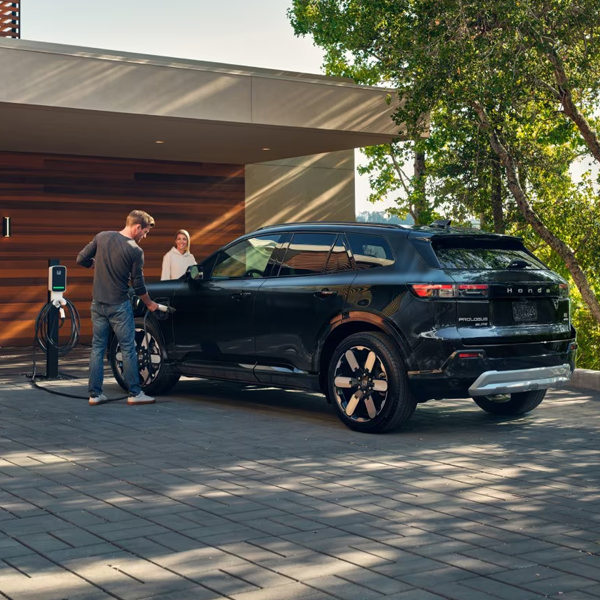
Battery superiority goes beyond capacity to store kilowatts -- it also relates to charging times, a real-world consideration of Southlake EV shoppers. The Prologue charge rate is an impressive 150 kWh, beating that of the standard VW battery and its 140-kWh charge rate. In real life, this translates to being able to regain 65 miles per charge every 10 minutes when you plug a new Prologue into a DC fast charger.2 At that rate, your Prologue will be charged and ready for your next adventure in less time than it takes to enjoy a nice lunch.
Winner: 2024 Honda Prologue
2024 Honda Prologue
- Standard Battery Size (kWh): 85
- Maximum Battery Size (kWh): 85
- Standard DC Fast-Charging Rate (kW): 150
- DC Charge Time Estimates: 65 miles of range per 10 minutes of charge
2024 VW ID.4
- Standard Battery Size (kWh): 62
- Maximum Battery Size (kWh): 82
- Standard DC Fast-Charging Rate (kW): 140
- DC Charge Time Estimates: 10-80% charge in about 30 minutes
Buy a 2024 Honda Prologue Near Me
Our comparison proves one thing beyond a doubt: that the Prologue returns more range and battery capacity than the ID.4 across all trims -- and especially so if you compare the most affordable variants of each. We think you'll agree that the new Prologue is the better EV, but don't take our word for it -- come by our showroom for a 2024 Prologue test-drive. We can't wait to get you behind the wheel of the new electric SUV in Texas that's stealing the hearts of anyone who loves zero-emissions driving.
Next Steps:Contact Us | Compare Other Honda Models | Apply for Financing
1Based on 2024 EPA mileage ratings; Use for comparison purposes only; your mileage will vary depending on how you drive and maintain your vehicle, driving conditions, and other factors.
2Maximum estimated 65 mi. range based on internal testing and specific conditions using DC Fast Charging (DCFC). Your results will vary based on vehicle condition and other factors, such as battery condition, output of charger, the original state of the battery’s charge and outside temperature. Charging time is subject to change.